Mary Ann's Dance and More

Mary Ann's Dance and More
Showing posts with label pointe shoes. Show all posts

Wednesday, August 2, 2017

What can an ill-fitted pointe shoe mean?

The Wrong Pointe Shoe Can...

·        Cause pain, bruised toenails, or even bunions.

·        Be challenging to pad correctly.

·        Twist in the shank.

·        Allow the dancer to sink down into her shoes.

·        Force all weight on the big toes.

·        Prevent the dancer from getting over her box.

·        Force the dancer to stand sickled or pronated.


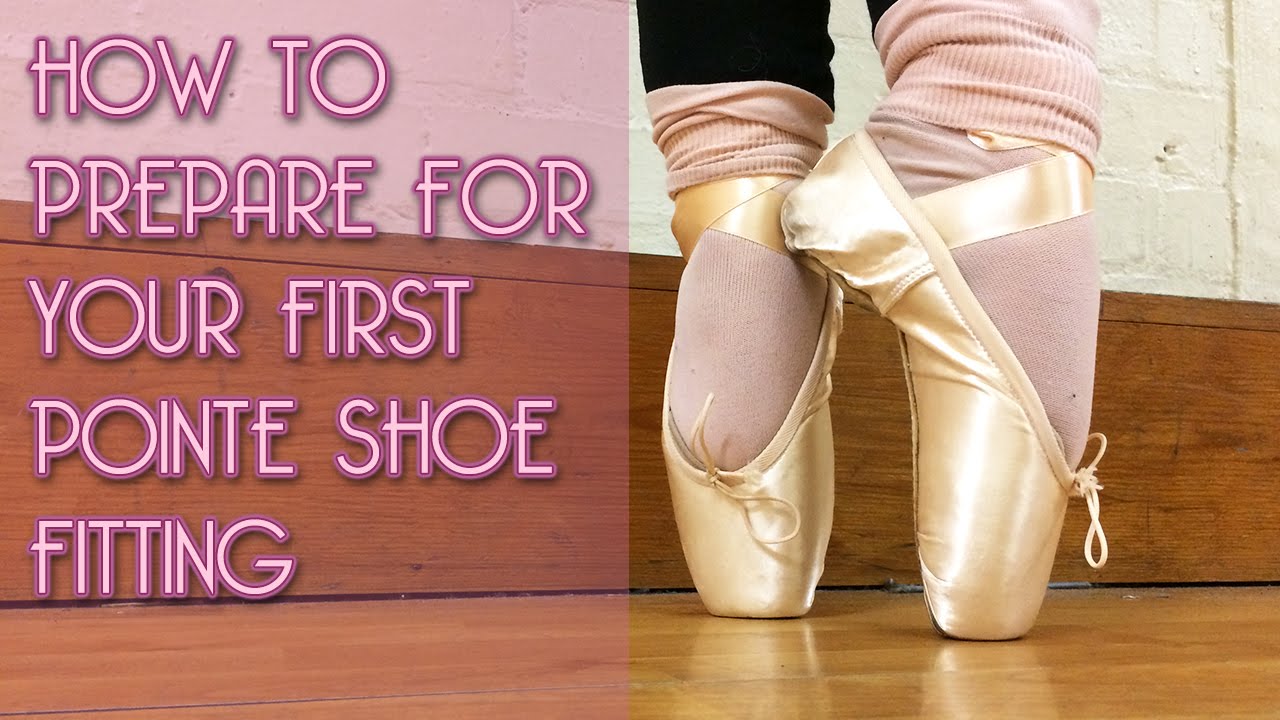
How to prepare for a pointe shoe fitting


Tips to have a successful pointe shoe fitting:


1.  Please wear something comfortable that you are able to move freely in.

2.  Convertible tights are helpful-do not wear full footed tights as we will need to examine your bare feet.

3.  Make sure your toenails are neatly clipped (DO NOT CUT THEM the day before or the day of your appointment) & your feet are clean.

4.  If you have had a pair of pointe shoes before please bring your most recent pair, this will help us in finding a new pair and also to look at your habits en pointe.

5.  Please also bring any padding & spacers that you would normally wear as this will affect the fit of the shoe.

6.  Allow ample time - at least an hour.

Are you ready for pointe shoes?

Pardon me while I get on my soapbox...I've gotten several calls to fit girls younger than 9 for pointe shoes. Yes, pointe shoes, not ballet shoes - "for fun so she can dance on her toes!" There is a huge difference between pointe shoes and ballet shoes.


Did you know that

1. if the growth plate isn't mature, there is potential for injury?

2. many years of ballet training is needed before even considering moving to pointe?


Please be aware, that I will never fit anyone for pointe shoes that young. Pointe shoes are not for dress up. I take the health and safety of dancers above profit.


Here's a more detailed article about when is the right time for starting pointe  - please share with those you know who are unfamiliar with pointe shoes.

https://dancer.com/ball…/in-the-studio/when-to-start-pointe/

Friday, September 16, 2011

Tips for caring for Dance Shoes

As a dancer you know you must take extra care of your body, but did you know that caring for dance shoes is just as important? Dance shoes can be expensive and you want your shoes to last as long as possible. Dance shoes do require care that your regular street shoes don’t. By taking care of your dance shoes, you will help them last longer and you’ll spend less time shopping for new shoes.

Here are some general tips we’ve found to help you care for you dance shoes:

1. Ideally, you should consider buying at two pairs of each type of dance shoe you use. This allows you to alternate wearing the pairs, especially if you dance every day. Your shoes will last longer if you let them dry out and rest every other day. The moisture from sweat will break down the materials of the shoe.

2. Be sure to store your shoes in a separate bag after class or a performance. Don’t throw them in your dance bag, because they can lose their shape. If you have side pockets in your dance bag, especially ones with holes, store the shoes there. That will give the shoes exposure to air which will help them dry quicker after each use, and that will help them last longer.

3. When you’re not using them, store your shoes in a cool, dry place. You can find special pouches filled with materials like cedar chip sachets or cedar daisy wheels to put into dance shoes. These can quickly absorb sweat, reduce odors and help your shoes keep their shape longer.

4. Wear your shoes in the studio only. There are a number of reasons for this ~ Dance shoes are not built for streetwear and wearing them outside will shorten their lifespan. Many dance studios also forbid dancers from wearing street shoes in the studio as part of a health concern; many dance forms require to be practiced in bare feet. Barefoot dancers can get infections from outside germs brought in from dance shoes worn outside. Dirt brought to the studio floor from outside can also ruin the look of new shoes.

5. Don’t let anyone else wear your shoes. In addition to the health risks such as contracting athlete’s foot, your shoes may get stretched out of shape.

6. When you buy a pair specifically for performances, practice a few times to get accustomed to the new shoes and to break them in. Never perform in a new pair of shoes.

7 You can buy special covers for pointe shoes to use in class to keep the satin clean and looking brand new.

These are just a few pointers we’ve found, there are some you might use. If you have a tip you’d like to share, please call, fax or e-mail it to us, we’d love to hear it and will share it with others too! We can all learn from one another!


(Originally part of our "Studio of the Month" flyer series - September 2011)

Tuesday, February 15, 2011

Pointe Shoes: How Long Should They Last?

We’ve received a lot of questions about the life span of pointe shoes and we thought we’d use our “Studio of the Month” flyer to help clear up some of the confusion.

How long should pointe shoes last? Unlike other dance shoes, pointe shoes are very unique in their fit and care. You can usually expect about 12-15 hours of wear from a pair of pointe shoes. To get the most out of that time, there are some things you can do:

Pointe shoes breakdown when they are wet, therefore:
1. use a mesh bag to carry your pointe shoes
2. remove toe pads immediately after use
3. store the pointe shoes and toe pads separately
4. set shoes out to air dry between classes – ideally for at least 24 hours

When should you replace your pointe shoes? There are several reasons:
1. foot growth
2. change in foot shape
3. technical development
4. worn-out

Because pointe shoes have to fit precisely, they are “out grown” much more quickly than street shoes. Wearing shoes that are too tight or no longer the right shape can damage the feet.

What are the signs that the pointe shoe is worn-out? There may be a lack of support in the toe box or platform and/or over-flexing in the shank. Appearance of the pointe shoe can be deceiving – the shoe may look new but structurally worn-out or it may appear dirty and worn but still functional. Dance teachers are usually the 1st to notice if the shoe is no longer functional – don’t hesitate to ask and don’t be surprised if the teacher makes that determination prior to your asking.

Many beginners, being on pointe for a short time each week, are able to wear shoes until they are outgrown and may need only a pair or two in their first year on pointe. However, many dancers – especially professionals – wear each pair only once! If your dancer is a more advanced student, you should be prepared for the expense of frequent shoe replacements.


(Part of our "Studio of the Month" series - February 2011)